
Why You’ll Love This Gyoza Soup
If you’re looking for a quick and comforting meal, gyoza soup fits the bill perfectly. This dish combines the savory goodness of gyoza dumplings with a flavorful broth, making it ideal for busy days. You’ll appreciate how easy it is to prepare, especially when you need something healthy and satisfying. Gyoza soup offers a wonderful balance of tastes that can brighten up any evening.
- Ease of preparation: Gyoza soup comes together in just about 15 minutes, which means even on the busiest nights, you can have a warm bowl ready fast. The simple steps involve basic ingredients and minimal cooking techniques, making it perfect for home cooks or busy parents who want a hassle-free meal. This gyoza soup recipe focuses on straightforward methods that deliver great results without requiring special skills.
- Health benefits: Packed with vegetables like napa cabbage and mushrooms, gyoza soup provides essential nutrients such as vitamins A and C, along with fiber and protein. Each serving boasts around 416 calories, 18g of protein, and healthy fats, supporting a balanced diet for diet-conscious individuals and food enthusiasts. Enjoying gyoza soup can help you meet your wellness goals while savoring its comforting warmth.
- Versatility: Whether you’re a student, working professional, or senior, this gyoza soup adapts to various dietary needs, like vegan or gluten-free options. You can swap ingredients based on what’s in your kitchen, making it a flexible choice for family meals or solo dinners. The gyoza soup’s adaptability ensures it’s suitable for travelers and newlyweds experimenting with flavors at home.
- Distinctive flavor: The umami-rich dashi stock combined with soy sauce and sesame oil creates a unique taste that’s both hearty and light. Gyoza dumplings add a delightful texture, turning a simple soup into something special. What makes this gyoza soup stand out is its blend of Asian-inspired elements that evoke a cozy, homemade feel for party hosts and baking enthusiasts alike.
This gyoza soup recipe highlights why it’s become a favorite for so many, blending convenience with delicious nutrition. For those new to making gyoza soup, it’s an accessible way to explore Japanese flavors in your own kitchen. Overall, its quick prep and adaptable nature make it a go-to option for everyday enjoyment.
Jump to:
- Why You’ll Love This Gyoza Soup
- Essential Ingredients for Gyoza Soup
- How to Prepare the Perfect Gyoza Soup: Step-by-Step Guide
- First Step: Preparation (Mise en Place)
- Second Step: Make the Broth Base
- Third Step: Add Firm Vegetables
- Fourth Step: Parboil the Gyoza
- Fifth Step: Add Tender Greens and Finish
- Protein and Main Component Alternatives
- Protein Substitutions
- Vegetable, Sauce, and Seasoning Modifications
- Vegetable Swaps
- Mastering Gyoza Soup: Advanced Tips and Variations
- How to Store Gyoza Soup: Best Practices
- FAQs: Frequently Asked Questions About Gyoza Soup
- How do I make sure the gyoza wrappers don’t get soggy in soup?
- Can I use frozen or store-bought gyoza for making gyoza soup?
- What is the best broth to use for authentic tasting gyoza soup?
- Which vegetables work best to add to gyoza soup?
- How can I make a vegan version of gyoza soup?
- Gyoza Soup
- Ingredients
- Instructions
- Last Step:
- Notes
- Nutrition
- Did you make this recipe?
Essential Ingredients for Gyoza Soup
Building a great gyoza soup starts with the right ingredients, and this recipe keeps things simple yet flavorful. Each item plays a key role in creating a balanced and tasty dish. Below is a detailed list of everything you need for 4 servings, with precise measurements and explanations to help you understand their purpose.
- 12 Japanese gyoza dumplings (approximately 200g; pork, chicken, or vegetable; homemade or store-bought, frozen is acceptable) – These dumplings form the heart of the gyoza soup, providing protein and a satisfying bite; they absorb the broth’s flavors beautifully.
- 1 liter dashi stock (made from kelp and smoked skipjack tuna, or substitute with chicken, pork, vegetable, or mushroom stock) – This serves as the base of the gyoza soup, offering a deep umami flavor that ties all ingredients together.
- 60ml sake – Adds a subtle sweetness and depth to the gyoza soup broth, enhancing the overall aroma and taste.
- 30ml soy sauce (or tamari for gluten-free) – Provides saltiness and umami; use tamari for gluten-free versions of gyoza soup to keep it inclusive.
- 5g salt (or to taste) – Balances the seasoning in the gyoza soup; adjust based on your preference for a perfectly seasoned broth.
- 200g napa cabbage, chopped – Adds crunch and nutrition, with vitamins and fiber that make the gyoza soup more filling and healthy.
- 100g baby corn, sliced – Contributes a sweet, crisp texture to the gyoza soup, and it’s a great source of vitamins for a lighter meal.
- 1 medium carrot (about 100g), sliced – Brings color and sweetness, plus beta-carotene for added health benefits in your gyoza soup.
- 4 green onions (scallions), separated into white parts (50g for cooking) and green parts (50g for garnish) – The white parts add flavor during cooking, while the green parts provide a fresh finish to the gyoza soup.
- 100g mushrooms (such as shiitake, or alternatives like button, maitake, enoki, or oyster) – Infuses the gyoza soup with earthy flavors and a meaty texture, making it more substantial for various diets.
- 15ml toasted sesame oil (for drizzling) – Finishes the gyoza soup with a nutty aroma, enhancing the overall taste without overpowering other elements.
For special dietary options, consider these adjustments to make your gyoza soup more versatile.
- Vegan: Opt for vegetable or mushroom stock and vegetable-filled gyoza to create a plant-based gyoza soup that’s full of flavor.
- Gluten-free: Use tamari instead of soy sauce and ensure your gyoza wrappers are made from gluten-free ingredients for a worry-free gyoza soup.
- Low-calorie: Choose lighter vegetables and reduce oil to keep your gyoza soup under calorie limits while maintaining taste.
How to Prepare the Perfect Gyoza Soup: Step-by-Step Guide
Making gyoza soup at home is a fun and straightforward process that yields delicious results. This guide walks you through each step with clear instructions, including tips for adaptations. You’ll need about 15 minutes total, so it’s perfect for quick meals. Let’s dive into the details to ensure your gyoza soup turns out just right.
First Step: Preparation (Mise en Place)
Gather all your ingredients and tools before starting. Chop 200g of napa cabbage, slice 100g of baby corn and 100g of mushrooms, and prepare 1 medium carrot by slicing it into thin pieces. Separate the 4 green onions into 50g white parts for cooking and 50g green parts for garnish. This gyoza soup step ensures everything is ready, making the process smooth for busy parents or students.
Second Step: Make the Broth Base
In a large pot, combine 1 liter of dashi stock, 60ml of sake, 30ml of soy sauce, and 5g of salt. Bring the mixture to a gentle simmer over medium heat, which takes about 5 minutes. For dietary needs, swap dashi with vegetable stock for a vegan gyoza soup or use low-sodium soy sauce to reduce salt. Stir occasionally to blend the flavors evenly in your gyoza soup.
Third Step: Add Firm Vegetables
Once the broth is simmering, add the firm vegetables: 200g of chopped napa cabbage, 50g of the white parts of green onions, and 100g of mushrooms. Let them cook for 3-4 minutes until they soften, absorbing the gyoza soup’s flavors. If you’re adapting for low-calorie options, use more greens like spinach here to keep things light while maintaining the essence of gyoza soup.
Fourth Step: Parboil the Gyoza
In a separate pot of boiling water, parboil the 12 gyoza dumplings (200g) for 2-3 minutes until they float, or longer if frozen. This step prevents the gyoza soup broth from becoming cloudy. For gluten-free adaptations, ensure your gyoza are made with appropriate wrappers, and transfer them gently with a slotted spoon into the main pot. Continue cooking in the gyoza soup for another 2-3 minutes for the best texture.
Fifth Step: Add Tender Greens and Finish
Stir in the remaining 50g of green onion tops and any other tender greens, cooking for 1 minute to keep them fresh. Adjust salt to taste and drizzle with 15ml of toasted sesame oil just before serving. This gyoza soup step enhances the aroma, and for pescatarian preferences, you can add minced shrimp to the gyoza if desired. Serve hot in bowls for the full experience.
By following these steps, your gyoza soup will be ready in no time. Remember to monitor cooking times to avoid overcooking, which is key for various dietary tweaks.
Protein and Main Component Alternatives
Protein Substitutions
When making gyoza soup, you can swap the main protein in the gyoza for options like ground chicken or firm tofu. Ground chicken cooks quickly and adds a lighter flavor, while tofu provides a plant-based choice that needs gentle simmering to hold its shape. Each substitution impacts the gyoza soup’s texture, so adjust cooking time accordingly for the best results.
For instance, if using seitan, it offers a chewy texture similar to meat but requires less time in the broth to prevent it from becoming tough. Always aim for portion parity, like using 200g total, to keep your gyoza soup balanced. These changes support high-protein diets or vegetarian needs without losing the soup’s appeal. Explore simple baking ideas for more adaptable meals.
Vegetable, Sauce, and Seasoning Modifications
Vegetable Swaps
Enhance your gyoza soup by trying different vegetables, such as bok choy instead of napa cabbage for a peppery twist. Sauces like miso paste can deepen the umami, using about 30ml for added flavor without overwhelming the gyoza soup. Seasonings like ginger or chili oil, say 5g each, bring heat and zest, making the soup adaptable to seasons or preferences.
For low-sodium options, reduce soy sauce to 15ml and use rice vinegar for acidity. These modifications ensure your gyoza soup remains versatile. Discover seasonal fruit recipes that complement savory dishes like gyoza soup.
Mastering Gyoza Soup: Advanced Tips and Variations
To take your gyoza soup to the next level, focus on pro techniques like clarifying the broth by skimming off foam. Layer aromatics such as garlic early for deeper flavors, and control the simmer to keep vegetables crisp. For variations, try a miso-ginger broth by adding 30ml miso for a richer gyoza soup experience.
Presentation can elevate your meal; arrange gyoza neatly and add fresh herbs for visual appeal. Make-ahead options include freezing gyoza separately, which helps with busy schedules and keeps the gyoza soup fresh for later.
How to Store Gyoza Soup: Best Practices
Proper storage keeps your gyoza soup tasty for days. For refrigeration, store broth and gyoza separately in airtight containers for up to 3-4 days to maintain texture. Freezing works well; freeze gyoza on a tray before bagging them for 2-3 months.
When reheating, bring the broth to a boil and add gyoza at the end to avoid sogginess, ensuring safety and quality. For meal prep, label containers and separate components for easy reheating in your gyoza soup routine. How to make Japanese dashi broth can guide your storage practices.

FAQs: Frequently Asked Questions About Gyoza Soup
How do I make sure the gyoza wrappers don’t get soggy in soup?
To keep gyoza wrappers from getting soggy, parboil the dumplings separately in boiling water until they’re partially cooked. This step removes excess starch that can cloud the broth and helps maintain the wrappers’ texture. After parboiling, transfer the gyoza gently into the soup to finish cooking. Avoid stirring vigorously once they’re in the soup to prevent tearing the wrappers.
Can I use frozen or store-bought gyoza for making gyoza soup?
Yes, frozen or store-bought gyoza are convenient options and work well for gyoza soup. You can use them straight from the freezer by parboiling before adding to the soup broth. Choose fillings like pork, chicken, or vegetable based on your preference. Using pre-made gyoza saves time and still delivers great flavor.
What is the best broth to use for authentic tasting gyoza soup?
Traditional gyoza soup often uses dashi stock, which adds a delicate umami flavor. If dashi is unavailable, chicken, pork, vegetable, or mushroom broth can be substituted depending on dietary needs. Using a clear, mild broth helps highlight the gyoza flavors without overpowering them, making the soup light yet satisfying.
Which vegetables work best to add to gyoza soup?
Mild-tasting vegetables like napa cabbage, baby corn, carrots, and green onions complement gyoza soup well. Adding shiitake or other mushrooms enhances the soup’s earthiness. These vegetables not only add texture and nutrition but also absorb the broth’s flavors, creating a balanced and hearty meal.
How can I make a vegan version of gyoza soup?
For a vegan gyoza soup, use vegetable or mushroom stock instead of traditional dashi or meat-based broths. Select vegan gyoza filled with vegetables, tofu, or mushrooms. Include a variety of fresh veggies like bok choy, carrots, and green onions to boost flavor and texture. Season with soy sauce and sesame oil for added depth without animal products.
Gyoza Soup
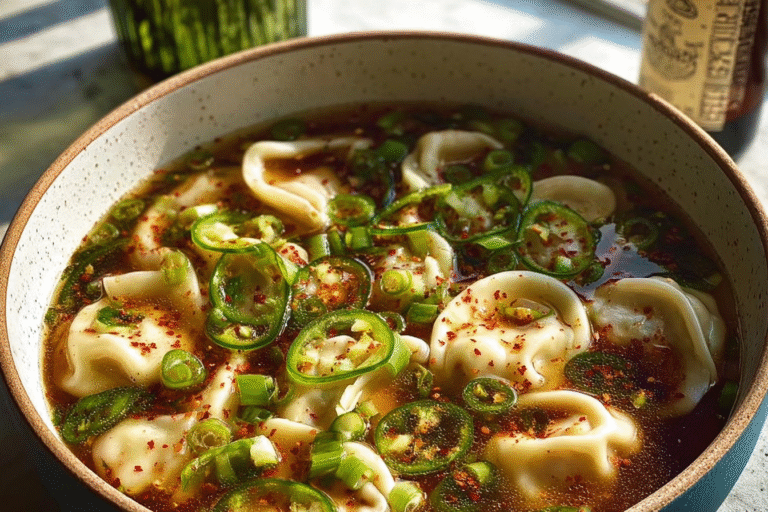
🥟 This Easy Gyoza Soup Recipe combines simple ingredients for a comforting and flavorful meal that’s easy to prepare.
🍲 It offers a delicious balance of tender dumplings and vibrant vegetables in a savory broth, perfect for quick and cozy dinners.
- Total Time: 15 minutes
- Yield: 4 servings
Ingredients
– 12 Japanese gyoza dumplings (approximately 200g; pork, chicken, or vegetable; homemade or store-bought, frozen is acceptable) These dumplings form the heart of the gyoza soup, providing protein and a satisfying bite; they absorb the broth’s flavors beautifully.
– 1 liter dashi stock (made from kelp and smoked skipjack tuna, or substitute with chicken, pork, vegetable, or mushroom stock) This serves as the base of the gyoza soup, offering a deep umami flavor that ties all ingredients together.
– 60ml sake Adds a subtle sweetness and depth to the gyoza soup broth, enhancing the overall aroma and taste.
– 30ml soy sauce (or tamari for gluten-free) Provides saltiness and umami; use tamari for gluten-free versions of gyoza soup to keep it inclusive.
– 5g salt (or to taste) Balances the seasoning in the gyoza soup; adjust based on your preference for a perfectly seasoned broth.
– 200g napa cabbage, chopped Adds crunch and nutrition, with vitamins and fiber that make the gyoza soup more filling and healthy.
– 100g baby corn, sliced Contributes a sweet, crisp texture to the gyoza soup, and it’s a great source of vitamins for a lighter meal.
– 1 medium carrot (about 100g), sliced Brings color and sweetness, plus beta-carotene for added health benefits in your gyoza soup.
– 4 green onions (scallions), separated into white parts (50g for cooking) and green parts (50g for garnish) The white parts add flavor during cooking, while the green parts provide a fresh finish to the gyoza soup.
– 100g mushrooms (such as shiitake, or alternatives like button, maitake, enoki, or oyster) Infuses the gyoza soup with earthy flavors and a meaty texture, making it more substantial for various diets.
– 15ml toasted sesame oil (for drizzling) Finishes the gyoza soup with a nutty aroma, enhancing the overall taste without overpowering other elements.
Instructions
1-First Step: Preparation (Mise en Place) Gather all your ingredients and tools before starting. Chop 200g of napa cabbage, slice 100g of baby corn and 100g of mushrooms, and prepare 1 medium carrot by slicing it into thin pieces. Separate the 4 green onions into 50g white parts for cooking and 50g green parts for garnish. This gyoza soup step ensures everything is ready, making the process smooth for busy parents or students.
2-Second Step: Make the Broth Base In a large pot, combine 1 liter of dashi stock, 60ml of sake, 30ml of soy sauce, and 5g of salt. Bring the mixture to a gentle simmer over medium heat, which takes about 5 minutes. For dietary needs, swap dashi with vegetable stock for a vegan gyoza soup or use low-sodium soy sauce to reduce salt. Stir occasionally to blend the flavors evenly in your gyoza soup.
3-Third Step: Add Firm Vegetables Once the broth is simmering, add the firm vegetables: 200g of chopped napa cabbage, 50g of the white parts of green onions, and 100g of mushrooms. Let them cook for 3-4 minutes until they soften, absorbing the gyoza soup’s flavors. If you’re adapting for low-calorie options, use more greens like spinach here to keep things light while maintaining the essence of gyoza soup.
4-Fourth Step: Parboil the Gyoza In a separate pot of boiling water, parboil the 12 gyoza dumplings (200g) for 2-3 minutes until they float, or longer if frozen. This step prevents the gyoza soup broth from becoming cloudy. For gluten-free adaptations, ensure your gyoza are made with appropriate wrappers, and transfer them gently with a slotted spoon into the main pot. Continue cooking in the gyoza soup for another 2-3 minutes for the best texture.
5-Fifth Step: Add Tender Greens and Finish Stir in the remaining 50g of green onion tops and any other tender greens, cooking for 1 minute to keep them fresh. Adjust salt to taste and drizzle with 15ml of toasted sesame oil just before serving. This gyoza soup step enhances the aroma, and for pescatarian preferences, you can add minced shrimp to the gyoza if desired. Serve hot in bowls for the full experience.
Last Step:
Please leave a rating and comment letting us know how you liked this recipe! This helps our business to thrive and continue providing free, high-quality recipes for you.Notes
🥟 Parboiling dumplings separately keeps broth clear and dumplings from becoming soggy.
🍄 Mushrooms add a meaty texture and deepen flavor.
🥢 Store leftovers by keeping broth and dumplings separate to maintain texture; reheat broth first, then warm dumplings.
- Prep Time: 3 minutes
- Cook Time: 12 minutes
- Category: Soup
- Method: Boiling and simmering
- Cuisine: Japanese
Nutrition
- Serving Size: 1 bowl
- Calories: 416
- Sugar: 8g
- Sodium: 2526mg
- Fat: 13g
- Saturated Fat: 2g
- Carbohydrates: 56g
- Fiber: 5g
- Protein: 18g