
Why You’ll Love This Otak Otak
Otak Otak is a classic Malaysian style grilled fish cake made with seasoned fish paste, wrapped in banana leaves, and cooked until fragrant. It is known for its smoky aroma, soft texture, and bold spice profile. For readers who enjoy Southeast Asian food, this otak-otak recipe offers a clear path to making authentic Malaysian grilled fish cakes at home.
This dish fits many kinds of meal plans and schedules. It can be served as a snack, appetizer, lunch item, or part of a larger rice meal. It also works well for home cooks who want a recipe that is flavorful but still manageable on a weeknight.
- Simple preparation: The paste and filling come together with basic kitchen tools.
- Balanced nutrition: Fish such as mackerel provides protein and healthy fats.
- Flexible serving style: Serve with rice, sambal, cucumber, or as finger food.
- Strong regional character: Banana leaves, chili paste, turmeric, and lemongrass create a distinct Malaysian profile.
Otak otak is valued for its aroma as much as its taste. The banana leaf wrapping, spice paste, and gentle heat create a result that is both earthy and vivid.
For readers who enjoy Southeast Asian dishes, this recipe sits comfortably alongside other regional favorites. If you enjoy savory comfort food with clear technique, you may also like the banana bread recipe for a simple homemade staple and the vanilla cake recipe for a classic dessert to serve after a savory meal.
Jump to:
- Why You’ll Love This Otak Otak
- What Is Otak Otak?
- Regional character of Malaysian fish cakes
- Ingredients for Otak Otak
- Main ingredients
- Optional variations
- How to Make Otak Otak
- Step 1: Prepare the spice paste
- Step 2: Mix the fish filling
- Step 3: Shape and wrap
- Step 4: Grill or steam
- Step 5: Serve
- Technique Notes for Grilled Fish Cakes
- Serving Ideas and Pairings
- Good serving options
- Storage, Reheating, and Recipe Variations
- Storage tips
- Variation ideas
- Nutrition and Ingredient Notes
- Frequently Asked Questions
- Otak Otak
- Ingredients
- Notes
- Nutrition
- Did you make this recipe?
What Is Otak Otak?
Malaysian otak-otak is a fish paste dish shaped into parcels or cakes and cooked in banana leaves. The name is widely associated with Southeast Asian coastal cooking, especially in Malaysia, Singapore, and parts of Indonesia. While there are many local versions, the Malaysian style is often grilled for a lightly smoky finish.
The flavor comes from a combination of fish, spices, herbs, coconut milk, and starch. Common fish choices include mackerel, tenggiri, bandeng, or belida. Some versions also use prawns, squid, or other meats, depending on local preference and availability. The spice paste usually includes turmeric, garlic, shallots, lemongrass, and chili paste.
This dish is often compared with other fish cakes, but it has a softer texture and a more pronounced spice blend than many Western-style patties. The use of banana leaves also sets it apart, since the leaves add aroma and help hold moisture during cooking.
Regional character of Malaysian fish cakes
Grilled fish cakes like otak otak reflect the food culture of the Malay Peninsula, where seafood, herbs, and coconut milk are widely used. The method is practical and local ingredients are used in efficient ways. In many households, the recipe is adapted to match available fish and the preferred level of heat.
For a broader look at Southeast Asian cooking styles, this Southeast Asian recipe guide offers useful background on common ingredients and methods across the region.
Ingredients for Otak Otak
This ingredients list reflects the main components commonly used in a traditional otak otak recipe. Because family recipes vary, the measurements below are practical home-cooking estimates for about 4 servings.
Main ingredients
- 500 g fish fillet or fish paste, using mackerel, tenggiri, bandeng, or belida
- 2 tablespoons chili paste
- 2 tablespoons turmeric, fresh or ground
- 6 cloves garlic
- 6 shallots
- 2 stalks lemongrass, white part only
- 2 tablespoons tapioca starch
- 1/2 cup coconut milk
- 2 eggs
- 2 tablespoons mixed herbs, chopped
- 1/2 teaspoon salt, or to taste
- 1/2 teaspoon sugar, optional
- Banana leaves, softened for wrapping
Optional variations
- 150 g prawns, finely chopped
- 150 g squid, finely chopped
- Additional meats, finely minced, if using a mixed seafood version
These ingredients match the classic structure of Malaysian otak-otak: fish, aromatics, spice paste, starch, coconut milk, eggs, and herbs. The tapioca starch helps the mixture hold together, while the coconut milk gives the filling a softer, richer texture.
If you want a firmer texture, add a little more tapioca starch. If you want a softer result, keep the coconut milk at the stated amount and avoid overmixing.
How to Make Otak Otak
This traditional otak otak recipe follows a clear sequence so the filling stays smooth, fragrant, and easy to shape. The method can be used for grilling or steaming, although grilling gives the most recognizable aroma.
Step 1: Prepare the spice paste
Blend or pound the garlic, shallots, lemongrass, turmeric, and chili paste into a fine paste. If using fresh turmeric, cut it into smaller pieces first. The paste should be smooth enough to mix well with the fish base.
Step 2: Mix the fish filling
Place the fish in a bowl and add the spice paste, tapioca starch, coconut milk, eggs, herbs, salt, and sugar if using. Mix until the mixture becomes evenly combined and slightly sticky. If you are using prawns, squid, or another meat, fold it in at this stage.
Step 3: Shape and wrap
Lay softened banana leaves on a clean surface. Spoon a portion of the mixture into the center of each leaf, then fold into a neat parcel. Secure the parcels with toothpicks or small skewers if needed.
Step 4: Grill or steam
For the classic version, grill the parcels over medium heat until fragrant and lightly charred. If you prefer a softer result, steam them until the filling is set. Both methods produce good results, but grilling gives the stronger smoky note.
Step 5: Serve
Let the parcels rest briefly before opening. Serve hot with rice, sambal, fresh cucumber, or a simple salad. The flavor is strongest when freshly cooked.
Technique Notes for Grilled Fish Cakes
Making grilled fish cakes at home is straightforward, but a few small details matter. The fish should be fresh and free of excess water. The spice paste should be mixed evenly so every bite has the same depth of flavor. Banana leaves should be softened before wrapping so they do not crack.
Texture is a major part of the final result. The filling should be cohesive but not rubbery. Overmixing can make the fish paste too dense, while too much liquid can cause the parcels to loosen during cooking. If the mixture feels too soft, a small spoonful of extra tapioca starch can help.
| Technique | What to do | Why it matters |
|---|---|---|
| Fish selection | Use mackerel, tenggiri, bandeng, or belida | Gives a strong, savory seafood base |
| Spice paste | Blend turmeric, garlic, shallots, lemongrass, and chili paste | Builds the signature flavor |
| Binder | Add tapioca starch | Helps the mixture hold together |
| Moisture | Use coconut milk and eggs | Keeps the filling tender |
| Wrapping | Use softened banana leaves | Adds aroma and prevents sticking |
Serving Ideas and Pairings
Otak Otak is usually served warm, and it pairs well with simple side dishes that balance the spice. Because the fish cakes are rich and aromatic, fresh vegetables and plain rice work especially well. They also fit into party spreads as a small savory item that can be eaten by hand.
Good serving options
- Steamed rice
- Nasi lemak
- Sliced cucumber
- Fresh herbs such as coriander or basil
- Chili sauce or sambal
- Light soup or broth on the side
For a meal with contrast, serve otak otak before a sweet finish. A light dessert such as the lemon cream pie can follow a spicy dinner nicely, while a tray of mint chocolate chip cookies works well for a casual gathering.
Otak otak also suits travelers and students who want a recipe that can be prepared in batches. It stores well for short periods and can be reheated gently without losing too much flavor.
Storage, Reheating, and Recipe Variations
One reason this otak-otak recipe Malaysian style remains popular is its flexibility. It can be adjusted for taste, cooking method, and ingredient availability. It also keeps reasonably well when stored properly.
Storage tips
- Refrigerate cooked parcels in a sealed container for up to 2 days.
- Freeze wrapped portions if you want longer storage.
- Reheat by steaming or grilling until hot throughout.
Variation ideas
- Seafood mix: Add prawns or squid for a richer flavor.
- Spicier version: Increase the chili paste or add fresh chilies.
- Different texture: Add a bit more tapioca starch for firmer cakes.
- Steamed style: Skip grilling if you want a softer finish.
Some cooks also adapt the filling with other meats, especially when fish is not available. While this changes the classic profile, the same base method still applies. The core idea remains the same: a seasoned seafood paste, bound with starch and enriched with coconut milk and eggs, then wrapped and cooked.
The most recognizable features of otak otak are the spice paste, the banana leaf aroma, and the soft but structured texture of the filling.
Nutrition and Ingredient Notes
Because fish is the main ingredient, malaysian fish cakes such as otak otak provide protein and are generally lighter than many fried snacks. Mackerel is especially known for its rich nutrient profile, including omega-3 fatty acids. For readers interested in the dietary side of seafood, this article on the health benefits of mackerel gives a useful overview.
The dish is naturally flavorful, so it usually does not need heavy sauces. Coconut milk contributes richness, while herbs and aromatics add freshness. The combination produces a balanced savory dish that can fit many home menus.
For diet-conscious readers, the recipe can be adjusted by reducing coconut milk slightly or pairing it with more vegetables. For busy households, the parcels can be assembled ahead of time and cooked later in the day.
Frequently Asked Questions
Print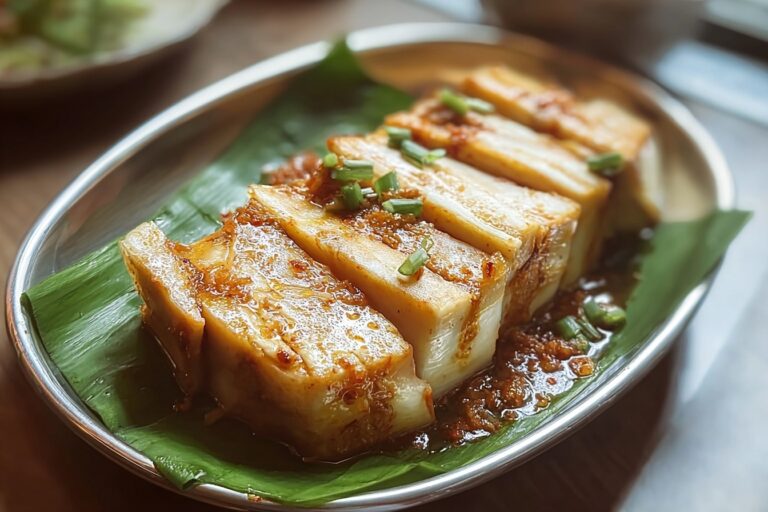
Otak Otak
🐟 Savor the explosive flavors of aromatic spices wrapped in banana leaves, delivering smoky, tender fish cakes that are a Malaysian street food must-try!
🔥 This gluten-free, protein-rich snack is easy to grill at home, perfect for parties or healthy appetizers with authentic Southeast Asian flair.
- Total Time: 1 hour 5 minutes
- Yield: 20 pieces (4 servings)
Ingredients
Notes
🍌 Soften banana leaves over flame for pliability and to impart subtle smoky flavor.
🐠 Pound fish coarsely for better texture; fresh mackerel gives authentic taste.
🌿 Customize heat by adjusting chilies; add prawns or squid for variation.
- Prep Time: 30 minutes
- Rest: 20 minutes
- Cook Time: 15 minutes
- Category: Appetizers
- Method: Grill
- Cuisine: Malaysian
- Diet: Gluten-Free, Pescatarian
Nutrition
- Serving Size: 5 pieces
- Calories: 300 kcal
- Sugar: 4g
- Sodium: 450mg
- Fat: 20g
- Saturated Fat: 12g
- Unsaturated Fat: 7g
- Trans Fat: 0g
- Carbohydrates: 15g
- Fiber: 2g
- Protein: 20g
- Cholesterol: 140mg