
Why You’ll Love This Polvoron
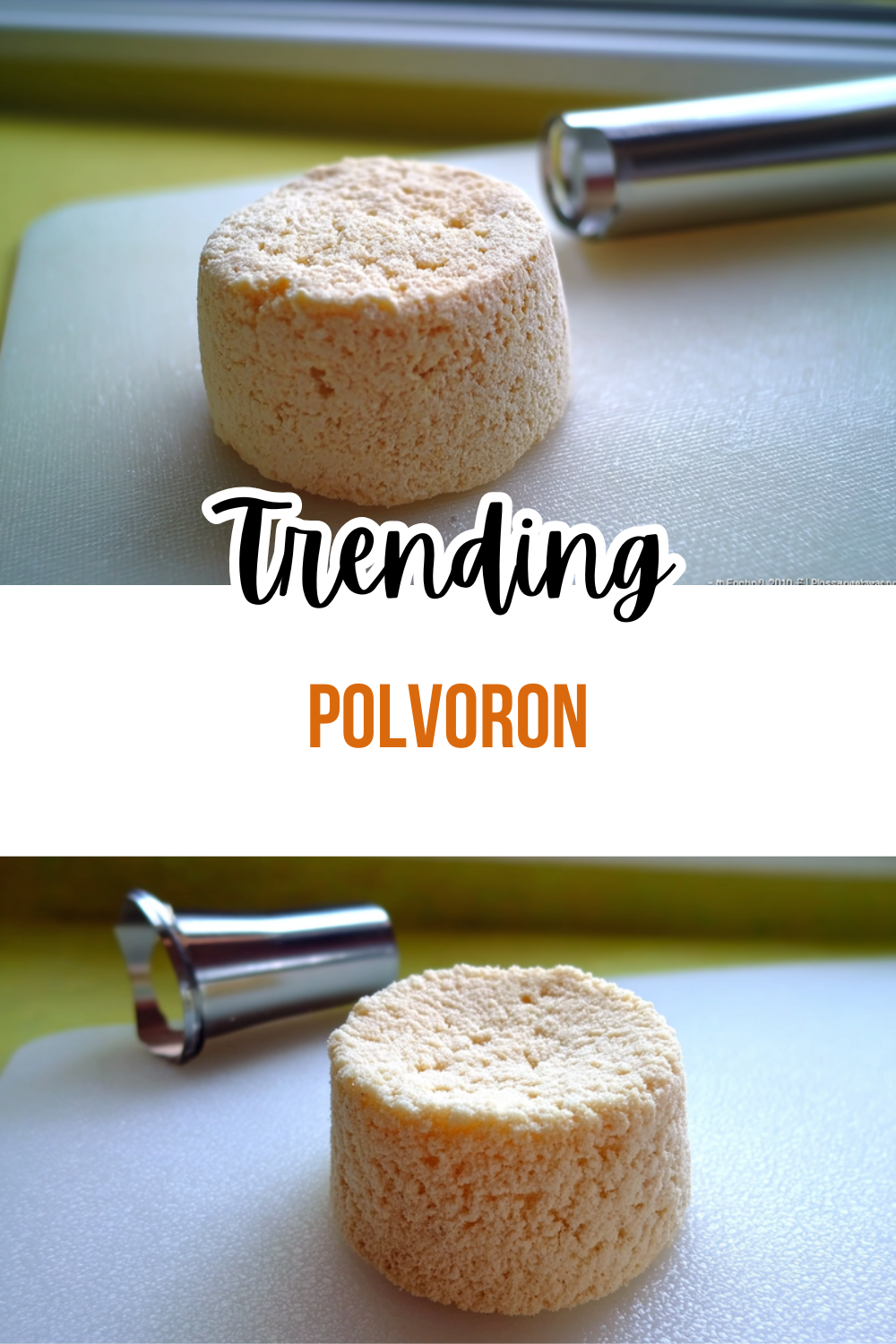
This Polvoron recipe stands out for its straightforward preparation, ideal for newcomers to baking or those with limited time. Made with simple ingredients like toasted flour, it delivers a delightful crumbly texture that defines traditional Spanish shortbread. Polvoron originates from Andalusia, Spain, where it has been enjoyed as a heavy, soft treat rich in carbohydrates and fats, often made with 200 grams of flour for a nutty base.
Health benefits come from wholesome additions such as ground almonds, around 50 grams, which provide essential nutrients and energy. This version supports dietary needs, like using butter instead of lard for vegetarians. With its rich blend of powdered sugar and fat, typically 100 grams, Polvoron offers a memorable taste that can be customized with variations like peanuts or chocolate.
Versatility makes this Polvoron adaptable to various diets, such as gluten-free or low-calorie options. In countries like the Philippines, it’s a popular everyday snack with local twists, taking less than an hour to prepare. This ease ensures it’s perfect for busy parents, students, or anyone seeking a quick, delicious indulgence.
Incorporating these elements, Polvoron remains a favorite among baking enthusiasts and food lovers. For more ideas on quick baked goods, consider trying blueberry banana muffins on our site.
Jump to:
- Why You’ll Love This Polvoron
- Essential Ingredients for Polvoron
- How to Prepare the Perfect Polvoron: Step-by-Step Guide
- Dietary Substitutions to Customize Your Polvoron
- Benefits of Common Substitutes
- Mastering Polvoron: Advanced Tips and Variations
- Popular Variations Around the World
- How to Store Polvoron: Best Practices
- FAQs: Frequently Asked Questions About Polvoron
- What is a polvorón and what are its main ingredients?
- How does a polvorón differ from mantecado?
- Where did polvorones originate and where are they commonly enjoyed today?
- How is Filipino polvorón different from the traditional Spanish version?
- Can polvorones be made vegetarian or with alternative fats?
- Polvoron
- Ingredients
- Instructions
- Last Step:
- Notes
- Nutrition
- Did you make this recipe?
Essential Ingredients for Polvoron
Polvoron relies on a few key ingredients to achieve its signature crumbly texture, primarily using toasted flour as the base. The preparation starts with toasting the flour until golden brown, which enhances flavor and creates the dough’s soft consistency. Below is a comprehensive list of ingredients based on the traditional recipe, ensuring exact measurements for easy replication.
- 200 grams of flour – Toasted to a golden brown for the base structure.
- 150 grams of powdered sugar – Sweetens the mix to balanced perfection.
- 100 grams of lard or butter – Acts as the fat to bind ingredients and provide smoothness; substituting butter makes it vegetarian-friendly.
- 50 grams of ground almonds – Adds nutty flavor and essential nutrients.
- 2 cups toasted all-purpose flour – Provides a rich, nutty foundation essential for the traditional texture; use rice flour for gluten-free options.
- 1 cup powdered milk – Enhances creaminess and nutritional profile for variations.
- 1/2 cup melted butter – Helps form the crumbly dough; can be replaced with plant-based alternatives.
For special dietary options, consider these adaptations:
- Vegan: Use plant-based butter and powdered non-dairy milk substitutes.
- Gluten-free: Replace all-purpose flour with rice flour or a gluten-free baking blend.
- Low-calorie: Opt for sugar substitutes and light margarine to reduce fat content.
This list covers all ingredients mentioned, making it straightforward for home cooks to gather what they need. Learn more about flour nutrition facts to understand its role in recipes like this.
How to Prepare the Perfect Polvoron: Step-by-Step Guide
Creating Polvoron begins with toasting the flour, a crucial step that takes about 10 minutes on medium heat to develop its golden color and nutty aroma. Once toasted, mix it with powdered sugar, fat, and ground almonds to form a crumbly dough that crumbles easily when handled. This method ensures the treat retains its soft, heavy texture without heavy baking, typically drying it to set.
First Step: Toast the all-purpose flour over medium heat, stirring continually until golden brown and fragrant, about 10 minutes to achieve the signature flavor.
Second Step: In a large mixing bowl, combine the toasted flour, powdered sugar, and ground almonds thoroughly for an even blend.
Third Step: Slowly add melted butter or lard to the dry mixture and mix until it forms a crumbly yet cohesive texture, adjusting moisture as needed for consistency.
Fourth Step: Press the mixture firmly into molds to shape into rounds or ovals, handling gently to avoid breaking the delicate dough.
Final Step: Carefully unmold the pieces and let them cool completely before wrapping individually to preserve freshness; the entire process takes less than an hour.
These steps can be adapted for dietary needs, such as using rice flour for gluten-free versions. Polvoron is popular in places like Cuba and Latin America, where variations add local flavors.

Dietary Substitutions to Customize Your Polvoron
Polvoron can be easily modified to suit different dietary preferences, maintaining its crumbly essence while incorporating healthier alternatives. For instance, substituting butter for lard supports vegetarian diets and adds a creamy texture without altering the core recipe. Variations like adding powdered milk or chocolate can enhance flavor while keeping preparation simple and quick.
Protein and Main Component Alternatives:
- Substitute powdered milk with soy or almond milk powder for a vegan option that boosts nutrition.
- Use rice flour or a gluten-free blend instead of wheat flour to accommodate gluten-free needs.
- Replace butter with coconut oil or vegan margarine as plant-based alternatives for fat content.
Vegetable, Sauce, and Seasoning Modifications:
- Add finely ground nuts like cashews or almonds for extra texture and flavor, aligning with the traditional 50 grams of ground almonds.
- Incorporate cinnamon or nutmeg to enhance the aromatic profile of this Spanish shortbread.
- Use natural sweeteners like coconut sugar or stevia for low-calorie versions, reducing the 150 grams of powdered sugar if desired.
These changes allow Polvoron to remain versatile, popular in Spanish-influenced regions like the Philippines where local ingredients are often included. By making these adjustments, it stays rich in carbohydrates and fats but fits diverse lifestyles.
Benefits of Common Substitutes
To illustrate, here is a table comparing key ingredients and their substitutes:
| Original Ingredient | Substitute | Benefits |
|---|---|---|
| 100 grams lard or butter | Coconut oil | Provides plant-based option and adds a subtle tropical flavor |
| 200 grams flour | Rice flour | Makes it gluten-free while preserving the toasted texture |
| 150 grams powdered sugar | Stevia | Reduces calories for diet-conscious individuals |
Mastering Polvoron: Advanced Tips and Variations
To elevate your Polvoron skills, focus on toasting the flour slowly over medium heat to prevent burning and ensure even flavor, which is key to its Andalusian roots. Experimenting with additions like toasted young green rice or crushed cookies can introduce new textures, while coatings such as chocolate add a modern twist. Proper shaping into ovals or rounds using molds helps maintain the crumbly dough without excessive handling.
Pro cooking techniques include using chilled butter to control the mixture’s consistency and pressing firmly for well-formed shapes. Flavor variations might involve cocoa powder for a chocolate version or dried fruits for a fruity note, drawing from its popularity in Latin America. Presentation tips suggest dusting with extra powdered sugar for an appealing finish, making it ideal for parties or snacks.
Make-ahead options allow you to prepare batches in advance, storing them in airtight containers for up to a week, which suits busy professionals. Integrating subtle changes, like the traditional 50 grams of ground almonds, enhances the experience. almond croissant bites could inspire more nut-based recipes on our site.
In the Philippines, Polvoron often gets creative with local ingredients, turning it into an everyday treat. This adaptability ensures it’s enjoyed in small portions, rich in energy from its flour and fat content.
Popular Variations Around the World
Polvoron has evolved globally, with Spanish versions focusing on basic ingredients and Philippine ones adding peanuts for a local flair.
How to Store Polvoron: Best Practices
Proper storage is essential for Polvoron due to its crumbly nature, which crumbles easily if not handled correctly. After shaping and drying, wrap pieces individually to preserve freshness and prevent them from breaking. This shortbread, originating from Spain, should be stored in a cool, dry place to maintain its soft texture.
Refrigeration: Keep Polvoron in an airtight container in the refrigerator for up to one week to retain its flavor. Freezing: Wrap individually and place in freezer-safe bags; thaw at room temperature before serving for long-term storage. Reheating: Enjoy at room temperature to keep the texture intact, avoiding any heat that might alter its delicate consistency. Meal prep considerations: Make large batches and label containers for easy access, ideal for seniors or travelers.
These methods ensure Polvoron stays fresh, especially in variations with added nuts or chocolate. For more on ingredient benefits, check the benefits of almonds.
FAQs: Frequently Asked Questions About Polvoron
What is a polvorón and what are its main ingredients?
A polvorón is a type of crumbly shortbread traditionally made with flour, sugar, milk, and nuts—especially almonds. It has a dense but soft texture that easily crumbles when eaten. The fat content typically comes from lard in Spanish recipes, but butter or margarine can also be used. This combination of ingredients creates its characteristic melt-in-your-mouth feel.
How does a polvorón differ from mantecado?
Polvorón is a specific variety of mantecado, a broader category of Spanish shortbreads. While all polvorones are mantecados, not all mantecados are polvorones. The key difference lies in texture and fat: polvorones are known for their dry, crumbly texture that crumbles into powder, whereas mantecados may have a denser texture. Mantecado traditionally uses pig fat (manteca), while polvorón’s crumbly nature defines it.
Where did polvorones originate and where are they commonly enjoyed today?
Polvorones originated in Spain and remain popular there, with around 70 factories producing them under syndicates. Today, they are enjoyed internationally, especially in countries influenced by Spanish culture such as the Philippines, various Latin American countries, and the United States. In these places, local variations of polvorón have developed reflecting regional tastes and ingredients.
How is Filipino polvorón different from the traditional Spanish version?
Filipino polvorón is typically made from toasted flour, powdered milk, sugar, and butter or margarine, instead of lard. Unlike the baked Spanish polvorón, the Filipino version is not baked but compressed into shapes and has a fine, powdery texture. It often includes additional mix-ins like peanuts or chocolate, making it a popular everyday snack rather than a seasonal treat.
Can polvorones be made vegetarian or with alternative fats?
Yes, polvorones can be made vegetarian by substituting traditional animal fats like lard with butter, margarine, or vegetable oils. These alternatives maintain the crumbly texture while accommodating dietary preferences. Modern recipes also allow for various nut options and flavorings, making polvorones accessible to a wider range of diets without sacrificing their signature taste.
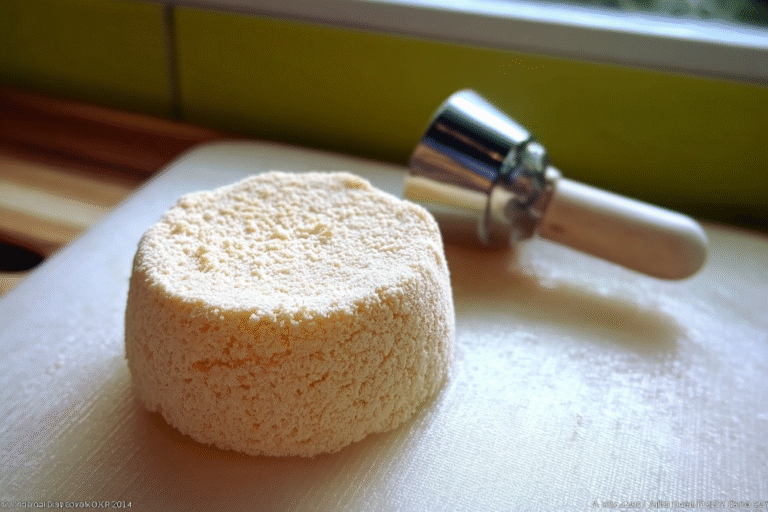
Polvoron
🍪 Experience the authentic taste of Spanish tradition with these melt-in-your-mouth shortbread cookies that crumble delicately with every bite
🥛 Discover the perfect balance of toasted flour, sweet powdered sugar, and rich nuts in these classic Andalusian treats that are surprisingly simple to make
- Total Time: 1 hour 35 minutes
- Yield: 20-24 cookies
Ingredients
– 200 grams flour Toasted to a golden brown for the base structure
– 150 grams powdered sugar Sweetens the mix to balanced perfection
– 100 grams lard or butter Acts as the fat to bind ingredients and provide smoothness
– 50 grams ground almonds Adds nutty flavor and essential nutrients
– 2 cups toasted all-purpose flour Provides a rich, nutty foundation essential for the traditional texture
– 1 cup powdered milk Enhances creaminess and nutritional profile for variations
– 1/2 cup melted butter Helps form the crumbly dough
Instructions
First Step: Toast the all-purpose flour over medium heat, stirring continually until golden brown and fragrant, about 10 minutes to achieve the signature flavor.
Second Step: In a large mixing bowl, combine the toasted flour, powdered sugar, and ground almonds thoroughly for an even blend.
Third Step: Slowly add melted butter or lard to the dry mixture and mix until it forms a crumbly yet cohesive texture, adjusting moisture as needed for consistency.
Fourth Step: Press the mixture firmly into molds to shape into rounds or ovals, handling gently to avoid breaking the delicate dough.
Final Step: Carefully unmold the pieces and let them cool completely before wrapping individually to preserve freshness; the entire process takes less than an hour.
Last Step:
Please leave a rating and comment letting us know how you liked this recipe! This helps our business to thrive and continue providing free, high-quality recipes for you.Notes
🌡️ Toasting the flour is essential – it develops the nutty flavor and gives polvorón their characteristic taste
🥛 Handle the finished cookies gently as they crumble easily – wrap individually to prevent breakage
🌰 For variations, try adding ground peanuts, powdered milk, or coating with melted chocolate
- Prep Time: 45 minutes
- Cooling time: 30 minutes
- Cook Time: 20 minutes
- Category: Dessert
- Method: Baking
- Cuisine: Spanish
- Diet: Vegetarian (with butter)
Nutrition
- Serving Size: 1 cookie
- Calories: 120
- Sugar: 8g
- Sodium: 15mg
- Fat: 7g
- Saturated Fat: 3g
- Unsaturated Fat: 3g
- Trans Fat: 0g
- Carbohydrates: 14g
- Fiber: 1g
- Protein: 2g
- Cholesterol: 10mg