
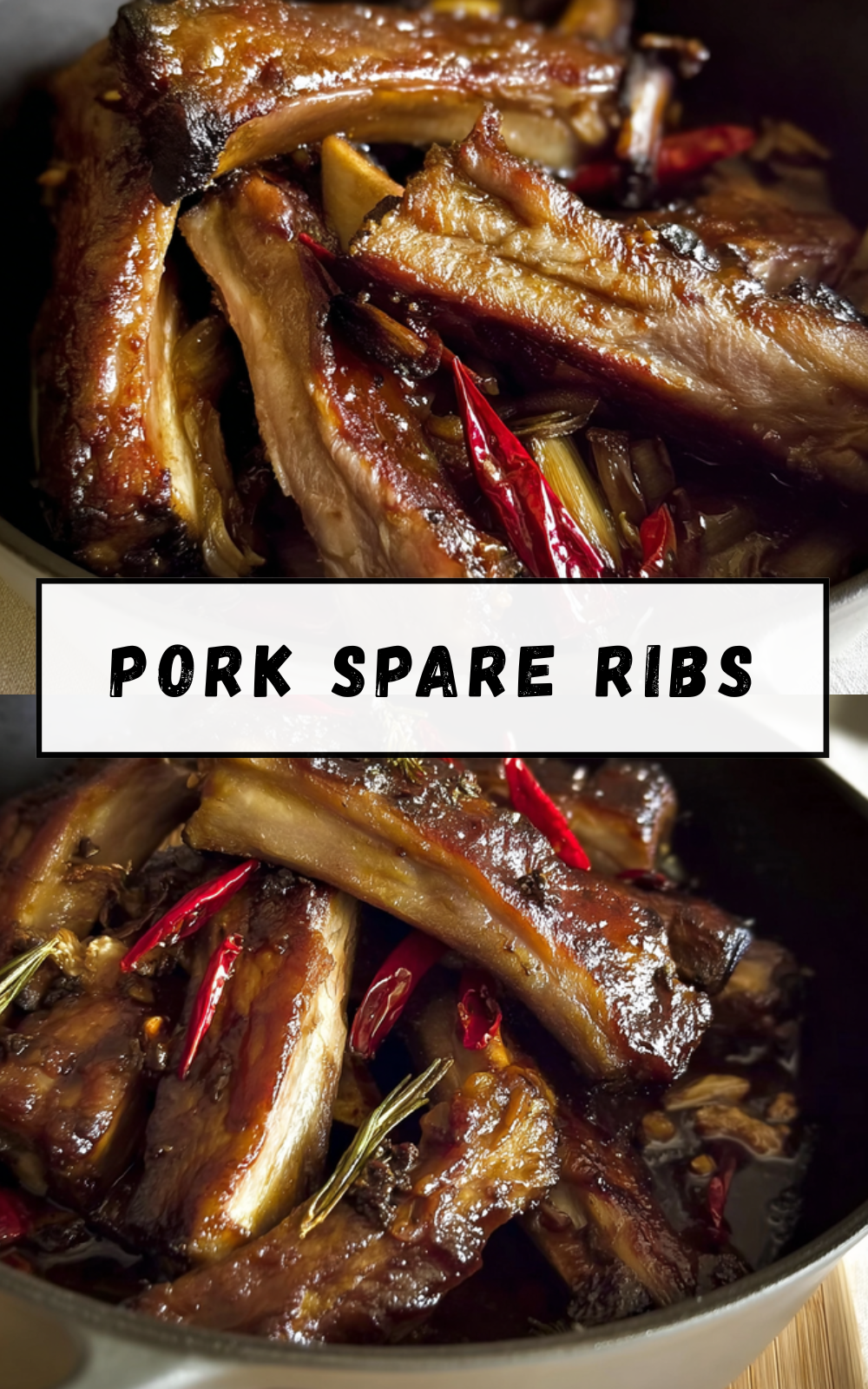
Why You’ll Love This Pork Spare Ribs
Pork spare ribs make for a mouthwatering meal that’s easy to prepare and full of flavor. This recipe stands out because it delivers tender, juicy results without needing a grill, making it ideal for any kitchen setup. You’ll appreciate how straightforward the steps are, allowing even beginners to create something special.
One of the best parts is the ease of preparation; you can have this dish ready in under three hours, perfect for busy parents or students looking for a comforting dinner. Plus, it offers health benefits like a solid dose of protein and essential vitamins from the pork, while letting you tweak ingredients for diet-conscious folks. The versatility shines through too, as it’s simple to adapt for gluten-free or low-calorie needs, ensuring everyone at the table can enjoy it.
Whether you’re a food enthusiast experimenting with new flavors or a working professional seeking a reliable recipe, these ribs bring a distinctive taste with their smoky and sweet notes. They pair well with everyday sides, making them a hit for family gatherings or solo meals. Overall, this pork spare ribs recipe is a go-to option that combines simplicity, nutrition, and adaptability for all sorts of home cooks.
Jump to:
- Why You’ll Love This Pork Spare Ribs
- Essential Ingredients for Pork Spare Ribs
- How to Prepare the Perfect Pork Spare Ribs: Step-by-Step Guide
- Dietary Substitutions to Customize Your Pork Spare Ribs
- Nutritional Breakdown
- Mastering Pork Spare Ribs: Advanced Tips and Variations
- How to Store Pork Spare Ribs: Best Practices
- FAQs: Frequently Asked Questions About Pork Spare Ribs
- What types of pork ribs can I use for baking or grilling?
- How should I store leftover cooked pork spare ribs?
- What is the best way to reheat pork spare ribs without drying them out?
- How can I add a smoky flavor to pork spare ribs without a smoker?
- Is homemade BBQ sauce better than store-bought for pork spare ribs?
- Pork Spare Ribs
- Ingredients
- Instructions
- Last Step:
- Notes
- Nutrition
- Did you make this recipe?
Essential Ingredients for Pork Spare Ribs
Gathering the right ingredients is key to making delicious pork spare ribs. This section lists everything you need for the recipe in a clear, structured way to help you shop and prepare with ease.
- 4 to 5 lbs (about 2 racks) St. Louis-style pork spare ribs
- 2 teaspoons kosher salt
- 18 oz (1.75 cups) barbecue sauce (store-bought or homemade)
These items form the base of your dish, ensuring a balance of savory and sweet elements. For special dietary options, consider vegan swaps like smoked seitan for the ribs or gluten-free versions of the sauce.
How to Prepare the Perfect Pork Spare Ribs: Step-by-Step Guide
Getting pork spare ribs just right involves a few simple steps that lead to tender, flavorful results every time. Start by preheating your oven and preparing the ribs for seasoning. This method uses low and slow cooking to break down the meat and enhance its natural juices.
First, preheat the oven to 300°F (150°C) to set the stage for even cooking. Remove the ribs from their packaging, pat them dry if needed, and season them generously with kosher salt on the meaty side; you can also add black pepper or a spice rub with garlic powder, onion powder, paprika, or chili powder for extra flavor. Separate the racks into individual ribs by cutting between the bones to make them easier to handle and coat evenly.
Next, place the ribs in a single layer on a rimmed half sheet pan, meaty side up, and drizzle about 1 cup (which is about two-thirds of the sauce) of barbecue sauce over them, tossing to coat everything thoroughly. Cover the pan tightly with heavy-duty foil, sealing the edges well to lock in moisture and tenderness. Bake them covered at 300°F (150°C) for 1 hour and 45 minutes to start the slow-cooking process.
After that, remove the foil and baste the ribs with half of the remaining sauce, about 1/3 cup, then increase the oven temperature to 350°F (175°C). Bake uncovered for 30 minutes until the edges begin to caramelize, watching closely to develop that perfect glaze. Finally, baste with the rest of the barbecue sauce and bake for another 20 to 30 minutes until the sauce turns sticky and fully caramelized, giving you ribs that are irresistibly tasty.
Remember to remove the membrane from the ribs if it’s there, as this helps with tenderness. The total preparation time is straightforward: prep takes 10 minutes, cooking runs about 2 hours and 45 minutes, and the whole process adds up to around 2 hours and 55 minutes. This step-by-step guide ensures your pork spare ribs come out just right for any meal.

Dietary Substitutions to Customize Your Pork Spare Ribs
Making pork spare ribs work for different diets is simple with a few smart swaps. You can adjust the main ingredients to fit various preferences while keeping the dish’s core appeal. This flexibility means everyone from vegans to those watching their calories can enjoy a personalized version.
For protein and main component alternatives, try smoked seitan or marinated jackfruit in place of the pork for vegan diets. If you’re looking for something leaner, turkey or chicken ribs can substitute nicely with slight changes to cooking time. On the vegetable, sauce, and seasoning side, swap out traditional barbecue sauce for low-sugar or homemade gluten-free options to meet dietary needs.
You might also incorporate seasonal veggies like zucchini or bell peppers as sides to add nutrition. Adjusting seasoning blends can help reduce sodium or spice, making it easier to tailor the recipe. These modifications let you savor the essence of pork spare ribs without compromising on taste or health goals.
Nutritional Breakdown
To give you a clear idea, here’s a table of the nutritional information per serving for these pork spare ribs:
| Nutrient | Amount |
|---|---|
| Calories | 651 kcal |
| Carbohydrates | 35 g |
| Protein | 47 g |
| Fat | 71 g (Saturated Fat 23 g, Polyunsaturated Fat 12 g, Monounsaturated Fat 26 g, Trans Fat 1 g) |
| Cholesterol | 242 mg |
| Sodium | 1894 mg |
| Potassium | 929 mg |
| Fiber | 1 g |
| Sugar | 28 g |
| Vitamin A | 191 IU |
| Vitamin C | 1 mg |
| Calcium | 74 mg |
| Iron | 3 mg |
This info helps diet-conscious individuals plan their meals effectively.
Mastering Pork Spare Ribs: Advanced Tips and Variations
Taking your pork spare ribs to the next level involves some pro techniques and creative twists. For instance, using sous vide can make the meat extra tender before you finish it on the grill for that smoky touch. You might also experiment with flavor variations like Asian-inspired rubs with five-spice powder or Cajun blends with cayenne for a spicy kick.
Presentation matters too, so slice the ribs between the bones and arrange them on a platter with fresh herbs. One handy tip is to prepare the dry rub ahead and marinate the ribs overnight for deeper flavors. Keep in mind to monitor sauces with high sugar content to avoid burning, and for a smoky flavor without grilling, add liquid smoke to the barbecue sauce or use smoked paprika in your rub.
If you’re making a bigger batch, use multiple pans to keep the ribs in a single layer without extending cook time. Baby back ribs can work with slight adjustments, cooking a bit faster. For a sweet finish, pair these ribs with something like a classic apple cranberry crisp to round out your meal.
This recipe’s adaptability means you can make it your own, whether you’re adding new spices or trying different rib types.
How to Store Pork Spare Ribs: Best Practices
Proper storage keeps your pork spare ribs tasty and safe to eat later. After cooking, put them in an airtight container and refrigerate for up to 3-4 days to lock in freshness. If you want to keep them longer, wrap tightly in foil or freezer-safe bags and freeze for up to 3 months.
When it’s time to reheat, warm them in the oven at 250°F (120°C) while covered to retain moisture, or follow the tip to wrap in foil and bake at 300°F (150°C) for about 20 minutes if they’re thawed. For meal prep, store ribs and sides separately with labels for easy planning. Remember, leftovers can also go in the fridge for up to 5 days or the freezer for 2 months, as per the recipe guidelines.
FAQs: Frequently Asked Questions About Pork Spare Ribs
What types of pork ribs can I use for baking or grilling?
You can use various types of pork ribs, including spare ribs, St. Louis style ribs, baby back ribs, and country-style ribs. St. Louis style ribs are popular because they are trimmed neatly and cook evenly. Baby back ribs cook faster and may be done about 30 minutes earlier than spare ribs. Country-style ribs are meatier and may require different cooking methods. Adjust cooking time based on the rib type and test for tenderness rather than relying solely on time.
How should I store leftover cooked pork spare ribs?
Store leftover pork spare ribs in an airtight container or tightly wrapped with foil or plastic wrap. Keep them in the refrigerator for up to 5 days to maintain freshness and prevent spoilage. For longer storage, freeze leftovers in an airtight container or resealable freezer bag for up to 2 months. Proper storage helps retain moisture and flavor.
What is the best way to reheat pork spare ribs without drying them out?
To reheat pork spare ribs, preheat your oven to 300°F (150°C). Wrap the ribs tightly in aluminum foil to keep them moist, and heat for about 20 minutes or until warmed through. Avoid microwaving if possible, as it can heat unevenly and dry out the meat, especially near the bones. If the ribs are frozen, thaw them overnight in the refrigerator before reheating.
How can I add a smoky flavor to pork spare ribs without a smoker?
You can give pork spare ribs a smoky taste by using smoked spices like smoked paprika, chipotle powder, or a dry rub containing these ingredients. Adding a BBQ sauce that contains liquid smoke also imparts a rich smoky flavor. These methods work well for oven or grill cooking when you don’t have access to a smoker.
Is homemade BBQ sauce better than store-bought for pork spare ribs?
Homemade BBQ sauce allows you to customize the balance of sweet, tangy, and smoky flavors to suit your taste. While many store-bought sauces taste good and are convenient, homemade sauces can offer fresher flavors and control over ingredients like sugar and spice level. Both options work well when baked or grilled, but homemade sauce often offers a more personal touch to your ribs.
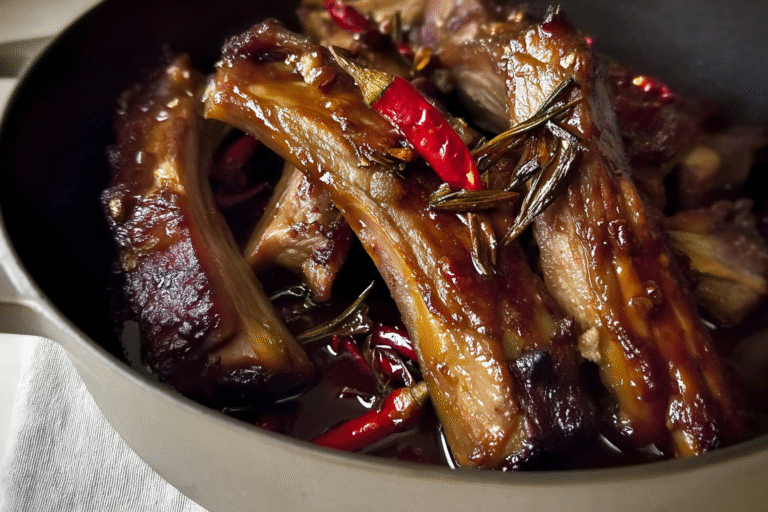
Pork Spare Ribs
🍖 Fall-off-the-bone tender ribs that melt in your mouth with minimal effort
🔥 Perfectly caramelized BBQ glaze creates a smoky, sweet flavor that rivals any grill
- Total Time: 2 hours 55 minutes
- Yield: 4–6 servings 1x
Ingredients
4 to 5 lbs (about 2 racks) St. Louis-style pork spare ribs
2 teaspoons kosher salt
18 oz (1.75 cups) barbecue sauce (store-bought or homemade)
Instructions
1-First, preheat the oven to 300°F (150°C) to set the stage for even cooking. Remove the ribs from their packaging, pat them dry if needed, and season them generously with kosher salt on the meaty side; you can also add black pepper or a spice rub with garlic powder, onion powder, paprika, or chili powder for extra flavor. Separate the racks into individual ribs by cutting between the bones to make them easier to handle and coat evenly.
2-Next, place the ribs in a single layer on a rimmed half sheet pan, meaty side up, and drizzle about 1 cup (which is about two-thirds of the sauce) of barbecue sauce over them, tossing to coat everything thoroughly. Cover the pan tightly with heavy-duty foil, sealing the edges well to lock in moisture and tenderness. Bake them covered at 300°F (150°C) for 1 hour and 45 minutes to start the slow-cooking process.
3-After that, remove the foil and baste the ribs with half of the remaining sauce, about 1/3 cup, then increase the oven temperature to 350°F (175°C). Bake uncovered for 30 minutes until the edges begin to caramelize, watching closely to develop that perfect glaze. Finally, baste with the rest of the barbecue sauce and bake for another 20 to 30 minutes until the sauce turns sticky and fully caramelized, giving you ribs that are irresistibly tasty.
Last Step:
Please leave a rating and comment letting us know how you liked this recipe! This helps our business to thrive and continue providing free, high-quality recipes for you.Notes
🧹 Remove the membrane from the ribs if present by pulling it off with your fingers for more tender results
👀 Monitor sauces with high sugar content closely to prevent burning during the final caramelization stage
🌿 For authentic smoky flavor without grilling, add liquid smoke to your BBQ sauce or use smoked paprika in your seasoning
- Prep Time: 10 minutes
- Cook Time: 2 hours 45 minutes
- Category: Main Course
- Method: Oven Baked
- Cuisine: American BBQ
- Diet: Non-Vegetarian
Nutrition
- Serving Size: 1 serving (approximately 3-4 ribs)
- Calories: 651
- Sugar: 28
- Sodium: 1894
- Fat: 71
- Saturated Fat: 23
- Unsaturated Fat: 38
- Trans Fat: 1
- Carbohydrates: 35
- Fiber: 1
- Protein: 47
- Cholesterol: 242