
Why You’ll Love This Turkey Brine
Imagine turning your next holiday turkey into the juiciest, most flavorful centerpiece of the table, all with a simple blend of everyday ingredients. Turkey brine is that secret trick many home cooks swear by, especially during Thanksgiving when everyone wants a meal that’s worth the wait. Not only does it make the meat tender and full of taste, but it fits right into your busy schedule, helping you avoid the dry disappointment that can come from roasting alone.
This turkey brine recipe stands out for its ease of preparation, relying on ingredients you might already have in your kitchen. It includes natural, wholesome additions that bring out the best in the turkey without overcomplicating things. Whether you’re a busy parent juggling family duties or a food enthusiast experimenting with new flavors, this brine offers a flexible way to elevate your cooking game.
One key benefit is how it keeps your turkey moist while boosting its nutritional profile. By using items like fresh herbs and citrus, you’re adding layers of flavor that make the dish more appealing and healthier. For folks watching their diets, this recipe can be adapted easily, proving that great taste doesn’t have to mean extra calories. Let’s dive into why this method makes every bite count, especially when you brine for 16 to 24 hours to get that ideal balance of salt and flavor absorption.
- Ease of preparation: This turkey brine recipe is simple and quick to prepare, requiring minimal ingredients and straightforward steps. It shortens cooking time by infusing the turkey evenly, resulting in juicy, tender meat without complicated techniques.
- Health benefits: The brine includes natural, wholesome ingredients that enhance the turkey’s moisture and flavor while supporting nutritional value. It helps retain lean protein and reduces the need for added fats, delivering a healthier, satisfying dish.
- Versatility: Adaptable to various dietary preferences, this turkey brine works well with different seasoning profiles and can be modified for gluten-free, low-calorie, or plant-based diets, making it a flexible foundation for any meal.
- Distinctive flavor: The blend of spices and herbs used in this brine creates a unique, rich taste that lifts the turkey beyond ordinary recipes, offering a savory depth and aroma that stands out at any gathering.
Brining helps keep the turkey juicy and flavorful by altering the meat’s molecular structure, which is why you might want to ensure the turkey is completely thawed before starting and always refrigerate it during the process to avoid any risks. For a fun twist, think about how this technique can turn a standard meal into something special, much like how a simple drink can brighten your day. If you’re looking for more fruit-inspired ideas, check out our apple cranberry crisp recipe that pairs perfectly with holiday vibes.
Jump to:
- Why You’ll Love This Turkey Brine
- Essential Ingredients for Turkey Brine
- Main Ingredients List
- How to Prepare the Perfect Turkey Brine: Step-by-Step Guide
- Dietary Substitutions to Customize Your Turkey Brine
- Protein and Main Component Alternatives
- Vegetable, Sauce, and Seasoning Modifications
- Mastering Turkey Brine: Advanced Tips and Variations
- How to Store Turkey Brine: Best Practices
- FAQs: Frequently Asked Questions About Turkey Brine
- Is it worth brining a turkey before cooking?
- Can you brine a frozen turkey, and what should I keep in mind?
- How long should I brine a turkey for the best results?
- Do I need to rinse my turkey after brining it?
- Can I stuff a turkey after brining it, or should I cook stuffing separately?
- Turkey Brine
- Ingredients
- Instructions
- Last Step:
- Notes
- Nutrition
- Did you make this recipe?
Essential Ingredients for Turkey Brine
When it comes to whipping up a great turkey brine, having the right ingredients on hand is key to success. This recipe focuses on fresh, natural flavors that enhance the turkey without overwhelming it, making it accessible for home cooks of all levels. You’ll find that combining these elements creates a balanced mix that penetrates the meat deeply, leading to that sought-after tenderness.
Based on the details we’ve gathered, here’s a complete list of everything you need for this turkey brine. Make sure to measure accurately for the best results, as precise quantities help avoid mistakes and ensure even flavor distribution. This setup not only brines your turkey but also adds a touch of seasonal goodness, perfect for holidays or family dinners.
Main Ingredients List
- 3 cups apple juice or apple cider
- 2 gallons cold water
- 4 tablespoons fresh rosemary leaves
- 5 cloves garlic, minced
- 1 1/2 cups kosher salt
- 2 cups brown sugar
- 3 tablespoons peppercorns
- 5 whole bay leaves
- Peel of three large oranges
These ingredients work together to create a brine that’s both sweet and savory, drawing from nature’s best to keep things simple yet effective. For those interested in exploring more with fruits like apples, our easy apple fritter bread offers a delightful companion recipe to try next. Remember, the brine can be prepared up to two days in advance and stored in the refrigerator, giving you more time to enjoy the process.
| Ingredient | Quantity | Purpose |
|---|---|---|
| Apple juice or apple cider | 3 cups | Adds natural sweetness and acidity |
| Cold water | 2 gallons | Serves as the base to dissolve flavors |
| Fresh rosemary leaves | 4 tablespoons | Provides herbal aroma and depth |
| Garlic, minced | 5 cloves | Brings savory and pungent notes |
How to Prepare the Perfect Turkey Brine: Step-by-Step Guide
Getting your turkey brine just right doesn’t have to be a hassle it’s all about following a few clear steps to build flavors that shine. Start by gathering your supplies and understanding how each part plays a role in making your turkey the star of the show. This process takes about 25 minutes to prepare the brine, plus 16 to 24 hours for refrigerating, so plan ahead for the best outcome.
First, combine all the ingredients in a large pot and bring to a boil, stirring until the salt and sugar dissolve fully. This step infuses the liquid with those essential flavors, taking roughly 15 minutes of cooking time. Once it’s boiling, turn off the heat, cover the pot, and let everything cool completely before moving on.
- Gather all ingredients and measure accurately. Rinse the turkey and remove giblets to prepare for brining.
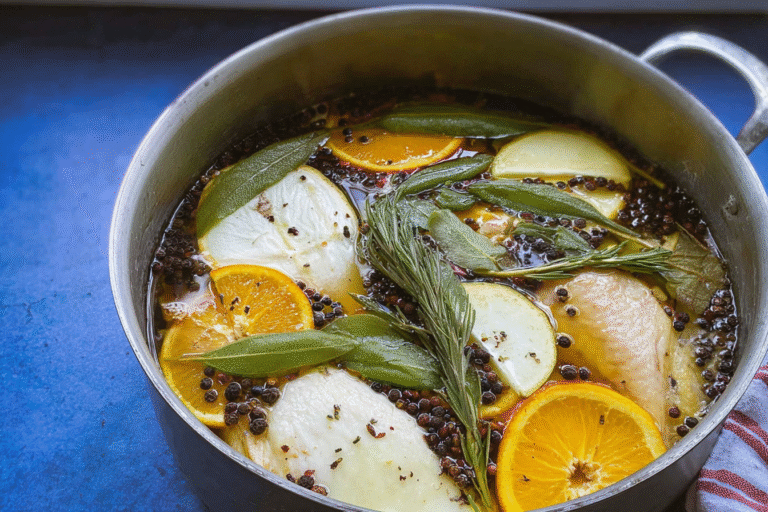
- In a large pot, combine water, kosher salt, brown sugar, bay leaves, peppercorns, rosemary, and garlic. Heat gently until salt and sugar dissolve completely.
- Allow the brine to cool fully to room temperature to avoid cooking the turkey prematurely.
- Submerge the turkey completely in the cooled brine, ensuring even exposure. Use a brining bag or container with a lid.
- Refrigerate the turkey in the brine for 12 to 24 hours, depending on its size, to maximize flavor absorption. Flip the turkey about two-thirds into the brining time to ensure even flavor absorption.
- Remove the turkey from the brine, rinse under cold water to remove excess salt, and pat dry with paper towels. Before roasting, submerge the turkey in fresh cold water for 15 minutes to remove excess salt.
- Adapt seasoning or brine duration to accommodate dietary restrictions such as lower sodium or herbal adjustments.
- Roast or cook the turkey as desired, using suggested temperatures (typically 325°F) and timing based on weight. Remove the turkey from the water, pat it very dry, and cook using the usual roasting method. Serve immediately for best taste and texture.
Tips like ensuring the turkey is completely thawed before brining and always keeping it refrigerated help make this process safe and effective. For more insights on brining techniques, learn more from experts who break it down in detail.

Dietary Substitutions to Customize Your Turkey Brine
Everyone’s taste and needs are different, so tweaking your turkey brine to fit dietary preferences can make all the difference. Whether you’re aiming for something lighter or allergen-free, these changes keep the recipe fun and adaptable. It’s about making the brine work for you without losing that signature juicy result.
Protein and Main Component Alternatives
- Substitute chicken for turkey for a lighter, quicker-cooking option.
- Use tofu or tempeh for a plant-based protein alternative suitable for vegans.
Vegetable, Sauce, and Seasoning Modifications
- Replace traditional bay leaves with dried citrus peel for a fresher aroma.
- Use tamari instead of soy sauce to maintain gluten-free compatibility.
- Incorporate fresh ginger or lemongrass to introduce an Asian-inspired twist.
These substitutions ensure the turkey brine remains adaptable, catering to varied taste preferences and dietary requirements while keeping the core benefits intact. For instance, if you’re exploring fruity options, they pair well with recipes like our apple cranberry crisp.
Mastering Turkey Brine: Advanced Tips and Variations
Once you’re comfortable with the basics, it’s time to level up your turkey brine game with some pro moves. These tips can turn a good meal into an unforgettable one, adding extra flair without much effort. Think of it as experimenting in your kitchen lab, where small changes lead to big rewards.
Pro cooking techniques like employing vacuum sealing can speed up flavor penetration for a more concentrated brine infusion. Flavor variations might include adding citrus zest or cinnamon sticks to create unique taste profiles that surprise your guests. Presentation tips, such as garnishing with fresh herbs, make the final dish look as good as it tastes.
- Pro cooking techniques: Employ vacuum sealing for a concentrated brine infusion and faster flavor penetration.
- Flavor variations: Experiment with adding citrus zest, cinnamon sticks, or smoked paprika for unique taste profiles.
- Presentation tips: Garnish the cooked turkey with fresh herbs and citrus slices for an appealing visual and aroma.
- Make-ahead options: Prepare the brine mixture in advance and store refrigerated for up to 3 days to streamline meal prep on cooking day.
After brining, rinse the turkey thoroughly to prevent excess saltiness, and for frying, remove it at least 24 hours early to let it dry. Do not stuff a brined turkey; cook stuffing separately to avoid mushiness and cross-contamination, ensuring everything stays safe and delicious.
How to Store Turkey Brine: Best Practices
Proper storage keeps your turkey brine fresh and ready when you need it, saving time and reducing waste. Whether you’re prepping ahead or have leftovers, handling it right means better results every time. It’s a simple step that helps maintain those vibrant flavors you’ve worked hard to create.
- Refrigeration: Store the prepared brine in a sealed container in the refrigerator for up to 3 days to maintain freshness.
- Freezing: Freeze excess brine in portions; thaw completely before use to preserve flavor and safety.
- Reheating: Gently warm stored brine to room temperature without boiling to prevent degradation of flavor compounds.
- Meal prep considerations: Label containers with preparation dates and use within recommended timeframes to ensure optimal taste and food safety.
The brine preparation takes about 25 minutes, so planning ahead makes holiday cooking a breeze. For more storage ideas, check out expert advice that covers similar techniques in depth.
FAQs: Frequently Asked Questions About Turkey Brine
Is it worth brining a turkey before cooking?
Yes, brining a turkey is worth the effort because it helps the meat stay juicy and flavorful. The salt solution penetrates the turkey, allowing it to absorb moisture and seasoning, which prevents dryness during cooking. Brined turkeys typically have a tender texture and enhanced taste compared to non-brined birds.
Can you brine a frozen turkey, and what should I keep in mind?
You can brine a turkey that was previously frozen, but only after it has fully thawed in the refrigerator. Brining a partially frozen turkey can lead to uneven seasoning and may promote bacterial growth. Always rinse and pat dry the turkey after brining to reduce excess salt.
How long should I brine a turkey for the best results?
Brine your turkey for 16 to 24 hours. Brining for less than 16 hours may not allow enough time for the flavors to penetrate, while brining longer than 24 hours can cause the meat to become overly salty or mushy. Keep the turkey refrigerated throughout the brining process.
Do I need to rinse my turkey after brining it?
Yes, it’s recommended to rinse the turkey inside and out after brining with cold water to remove surface salt and prevent excessive saltiness. After rinsing, soak the bird in cold water for 30 to 45 minutes to further reduce salt absorption, then pat dry thoroughly before cooking.
Can I stuff a turkey after brining it, or should I cook stuffing separately?
It’s safer to cook stuffing separately rather than inside a brined turkey. Brining increases the turkey’s moisture, which can make the stuffing soggy and risk uneven cooking. Cooking stuffing separately ensures it cooks thoroughly with a better texture and lowers chances of cross-contamination.
Turkey Brine
🦃 Transform your Thanksgiving turkey into the most tender, juicy bird your family has ever tasted
🌊 This aromatic brine infuses deep flavor while locking in moisture for a perfectly moist turkey
- Total Time: 16 hours 25 minutes
- Yield: Enough for 1 turkey (12–20 lbs) 1x
Ingredients
3 cups apple juice or apple cider for Adds natural sweetness and acidity
2 gallons cold water for Serves as the base to dissolve flavors
4 tablespoons fresh rosemary leaves for Provides herbal aroma and depth
5 cloves garlic, minced for Brings savory and pungent notes
1 1/2 cups kosher salt
2 cups brown sugar
3 tablespoons peppercorns
5 whole bay leaves
Peel of three large oranges
Instructions
1-Gather all ingredients and measure accurately. Rinse the turkey and remove giblets to prepare for brining.
2-In a large pot, combine water, kosher salt, brown sugar, bay leaves, peppercorns, rosemary, and garlic. Heat gently until salt and sugar dissolve completely.
3-Allow the brine to cool fully to room temperature to avoid cooking the turkey prematurely.
4-Submerge the turkey completely in the cooled brine, ensuring even exposure. Use a brining bag or container with a lid.
5-Refrigerate the turkey in the brine for 12 to 24 hours, depending on its size, to maximize flavor absorption. Flip the turkey about two-thirds into the brining time to ensure even flavor absorption.
6-Remove the turkey from the brine, rinse under cold water to remove excess salt, and pat dry with paper towels. Before roasting, submerge the turkey in fresh cold water for 15 minutes to remove excess salt.
7-Adapt seasoning or brine duration to accommodate dietary restrictions such as lower sodium or herbal adjustments.
8-Roast or cook the turkey as desired, using suggested temperatures (typically 325°F) and timing based on weight. Remove the turkey from the water, pat it very dry, and cook using the usual roasting method. Serve immediately for best taste and texture.
Last Step:
Please leave a rating and comment letting us know how you liked this recipe! This helps our business to thrive and continue providing free, high-quality recipes for you.Notes
🧊 Ensure the turkey is completely thawed before brining and always refrigerate during the brining process
⏰ Flip the turkey in the brining bag about two-thirds into the brining time to ensure even flavor absorption
🔪 Do not stuff a brined turkey; cook stuffing separately to avoid mushiness and cross-contamination
- Prep Time: 10 minutes
- Brining Time: 16-24 hours
- Cook Time: 15 minutes
- Category: Brining
- Method: Brining
- Cuisine: American
- Diet: Gluten Free
Nutrition
- Serving Size: 1 turkey
- Calories: 45
- Sugar: 12
- Sodium: 8800
- Fat: 0
- Saturated Fat: 0
- Unsaturated Fat: 0
- Trans Fat: 0
- Carbohydrates: 13
- Fiber: 0
- Protein: 0
- Cholesterol: 0